Are Daily Contact Lenses Really Healthier?

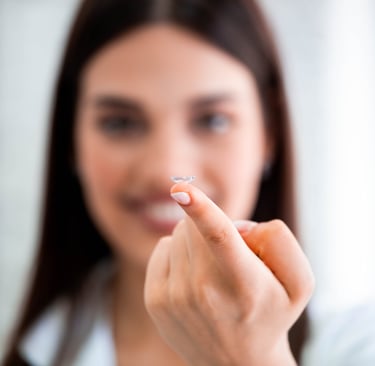
Daily disposable contact lenses are designed to be worn once and discarded at the end of the day.
Unlike monthly or biweekly lenses, they do not require cleaning solutions or storage cases. Each day begins with a fresh lens.
But does that make them healthier?
The Hygiene Difference
Reusable contact lenses require consistent cleaning and proper storage.
Over time, small amounts of protein, lipids, and environmental debris can accumulate on the lens surface — even with good care.
Daily disposable lenses reduce:
Lens surface deposits
Case contamination
Solution-related irritation
By removing the cleaning and storage steps, they eliminate several potential sources of contamination.
Lower risk does not mean zero risk — but it is meaningful.
Infection Risk
Contact lens–related infections are uncommon, but when they occur, they can be serious.
Risk increases with:
Overnight wear
Poor hand hygiene
Water exposure (showering or swimming)
Reusing disposable lenses
Even daily lenses carry risk if worn incorrectly.
The lens type matters. Habits matter more.
Comfort and Dryness
Many wearers experience end-of-day dryness.
Daily disposable lenses often:
Accumulate fewer deposits
Maintain smoother surface quality
Feel more comfortable late in the day
For patients prone to dryness or mild irritation, daily lenses may improve comfort.
Who May Benefit Most?
Daily disposables can be helpful for:
Patients with dry eye tendencies
Allergy sufferers
Occasional lens wearers
Individuals who prefer a simpler routine
The decision should be based on eye health, lifestyle, and personal preference — not marketing alone.
The Bottom Line
Daily contact lenses can reduce certain hygiene-related risks.
But no contact lens is risk-free.
The healthiest approach includes:
Proper fitting
Following wear-time recommendations
Avoiding overnight wear unless specifically prescribed
Regular eye examinations
Clear understanding leads to safer contact lens habits.
Bernani - Clear Eye Guidance
© 2026. All rights reserved.